

 Secure Shipping

 Worldwide express delivery
 Secure Payment
Why You Shouldn't Push a Cold Turbocharged Engine

Why You Should Avoid Hard Acceleration with a Cold Turbocharged Engine: Warm-Up Tips to Protect Your Turbocharger
Is it bad to accelerate hard when your turbocharged engine is cold? Should you let a turbo engine warm up before driving? These are important questions for anyone who wants to protect their turbocharger, reduce engine wear and maintain reliable vehicle performance over the long term.
Turbocharged engines deliver impressive power and efficiency by using exhaust gases to drive a turbine, which is connected to a compressor that increases the amount of air entering the engine. However, this performance comes with specific requirements for lubrication, temperature management and proper operation.
Immediately demanding maximum acceleration after a cold start places additional load on engine components before they have reached their normal operating conditions. Engine oil is more viscous at low temperatures, components are still warming up, and the turbocharger may rapidly increase its rotational speed when the driver requests a high level of boost.
These conditions do not mean that modern turbocharged vehicles must remain stationary for several minutes after every cold start. In most modern passenger vehicles, the better approach is to begin driving gently once the engine has stabilised, avoiding heavy throttle, high engine speeds and excessive loads until the engine has warmed up.
In this guide, BR Turbo explains what happens inside a cold turbocharged engine, why aggressive acceleration can increase mechanical stress, how motor oil and temperature affect turbocharger reliability, and what driving habits help protect both petrol and diesel turbocharged engines.
What Happens Inside a Turbocharged Engine During a Cold Start?
A cold start occurs when the engine and its fluids are substantially cooler than their normal operating temperatures. This commonly happens when a vehicle has been parked overnight or has remained unused long enough for its components to cool down.
When the engine starts, several processes begin almost simultaneously:
- Oil circulation begins: The engine oil pump establishes pressure and distributes lubricant to engine bearings, the valvetrain and the turbocharger's bearing system.
- Engine components begin warming: The combustion chambers, pistons, cylinder walls, exhaust manifold and other components gradually increase in temperature.
- The cooling system manages temperature: Coolant circulates according to the engine's cooling-system design and operating strategy.
- The engine management system adjusts operation: Fuel delivery, idle speed and other parameters may be adapted to the temperature and operating conditions.
- The turbocharger begins rotating: Exhaust gas flowing through the turbine causes the turbocharger shaft and compressor wheel to rotate, even when the engine is not producing significant boost.
- Emission-control systems begin warming: Catalytic converters and other exhaust-treatment components gradually approach the temperatures needed for effective operation.
Modern engines are designed to operate during cold starts. However, being ready to start and move the vehicle is not the same as being ready for maximum engine load.
The most important distinction is between driving a cold engine gently and immediately demanding high power from it. Normal, moderate driving after startup is generally appropriate for a healthy modern engine. Aggressive acceleration places greater demands on its lubrication, cooling and mechanical systems.
Why Can Hard Acceleration Damage a Cold Turbocharged Engine?
Rapid acceleration places the engine under a higher mechanical and thermal load. The engine management system responds to increased throttle demand by adjusting fuel delivery and, when appropriate, commanding additional boost from the turbocharger.
When the engine is cold, these demands occur while the lubricating oil and mechanical components are still approaching their normal operating conditions.
Several factors make aggressive acceleration less desirable immediately after a cold start:
- Cold engine oil: Oil becomes more viscous at lower temperatures, affecting how it flows through the lubrication system.
- Rapidly increasing turbocharger speed: A strong acceleration request can increase exhaust energy and turbocharger rotational speed before the system is fully warmed.
- Higher bearing loads: Both engine bearings and turbocharger bearings must support increased mechanical loads.
- Changing component temperatures: Different materials and parts warm at different rates, creating changing clearances and thermal conditions.
- Increased combustion pressure: Heavy throttle increases the demands placed on pistons, connecting rods, bearings and related components.
- Greater heat generation: High-load operation produces more heat before the engine and its surrounding systems have reached stable operating conditions.
An occasional moment of moderate acceleration during warm-up does not automatically damage a properly maintained engine. Nevertheless, repeatedly demanding high power immediately after startup is an avoidable source of additional stress.
For long-term turbocharger reliability, it is sensible to reduce unnecessary engine load during the warm-up period rather than treating a cold engine as though it were already fully warm.
Cold Engine Oil, Viscosity and Lubrication: Why Do They Matter?
Engine oil plays a critical role in the protection of turbocharged engines. It lubricates moving components, reduces friction, carries away heat and helps transport contaminants towards the filtration system.
Oil viscosity changes with temperature. At lower temperatures, motor oil is generally thicker and flows differently than it does after warming to its intended operating range.
This is why motor oil specifications include requirements related to cold-temperature performance. For example, the winter rating in common multigrade oil classifications is relevant to the oil's behaviour during cold starting and pumping at low temperatures.
However, it is important not to misunderstand the relationship between cold oil and lubrication.
Cold oil does not simply stop lubricating. A healthy engine using the correct oil is designed to establish oil pressure and provide lubrication shortly after startup. Modern lubricants and engine lubrication systems are developed specifically to accommodate cold starts.
The concern is that very cold oil has different flow characteristics, while the engine's parts may be subjected to substantially greater loads if the driver accelerates aggressively before normal operating conditions are established.
Important factors include:
- Oil circulation: The oil must reach the components requiring lubrication through the engine's oil passages and supply lines.
- Oil temperature: The viscosity changes as the oil warms, affecting the behaviour of the lubricant within the bearing system.
- Oil pressure: Adequate oil pressure is essential, but pressure alone does not provide a complete picture of oil flow or lubrication quality.
- Oil cleanliness: Dirt, metal particles, sludge and other contaminants can contribute to bearing wear.
- Correct oil specification: The oil must meet the requirements established by the engine manufacturer.
- Condition of oil supply lines: Restrictions in the turbocharger oil feed or return system can create lubrication problems regardless of the engine's temperature.
Using the correct motor oil is particularly important in regions with low winter temperatures. Oil that does not meet the manufacturer's specifications can affect cold-start performance and potentially increase the risk of lubrication-related problems.
Always follow the vehicle manufacturer's oil specification rather than selecting a different viscosity solely because it appears to be thinner or thicker.
How Does Cold Acceleration Affect Turbocharger Bearings and Rotational Speed?
A turbocharger contains a turbine wheel and compressor wheel connected by a common shaft. Depending on the turbocharger's design, the rotating assembly is supported by journal bearings, ball bearings or other specialised bearing arrangements.
During operation, the turbocharger can reach extremely high rotational speeds. The precise speed depends on the turbocharger model, engine design, operating conditions and required boost pressure.
At these speeds, bearing lubrication and cooling are essential.
The turbocharger bearing system depends on a correct supply of clean oil. The oil helps maintain the intended operating conditions within the bearing assembly while also carrying away heat.
Immediately applying heavy throttle after a cold start can increase the exhaust energy available to the turbine and rapidly increase the turbocharger's rotational speed.
Under normal conditions, the turbocharger is designed to respond to engine load. Nevertheless, high-speed operation becomes more demanding when the engine and lubrication system have not yet reached their normal operating conditions.
Potential concerns include:
- Increased loading of the turbocharger shaft and bearing assembly.
- Rapid changes in turbocharger rotational speed.
- Higher heat generation in the turbine and central housing.
- Greater demands on oil circulation and heat removal.
- Increased consequences if an existing lubrication problem is present.
It is also important to distinguish normal cold-start operation from an actual oil starvation problem.
If an engine has an obstructed turbocharger oil feed line, an incorrect oil supply connection, heavily contaminated oil or another lubrication defect, the turbocharger may be at risk even during relatively moderate driving.
Gentle warm-up driving reduces unnecessary stress, but it cannot compensate for a defective lubrication system. Suspected oil-pressure problems must be diagnosed and repaired rather than managed by changing driving habits alone.
Thermal Stress: Why Should Engine Components Warm Up Gradually?
Turbocharged engines contain components made from different materials, including aluminium alloys, steel, cast iron and other specialised materials.
These materials expand as their temperatures rise. Their rates of expansion and operating temperatures are not identical.
During a cold start, the temperature of the combustion chambers and exhaust gases can increase relatively quickly, while other parts of the engine remain cooler.
The turbocharger is exposed to particularly varied thermal conditions:
- The turbine is driven by hot exhaust gases.
- The compressor processes incoming air at substantially different temperatures.
- The centre housing contains the shaft and bearing system.
- Engine oil and, in some designs, coolant help manage operating temperatures.
- Different areas of the turbocharger expand as their temperatures change.
Manufacturers design these components to tolerate normal thermal expansion and repeated temperature changes. Therefore, normal warm-up does not mean that the turbocharger is about to deform or break.
However, immediately exposing a cold engine to unusually high loads can increase temperature differences and mechanical demands before the system reaches more stable conditions.
Gradual warming helps the engine transition from cold-start operation to normal operation without unnecessary high-load stress.
The practical recommendation is not to avoid driving a cold engine altogether, but to avoid requesting maximum performance before it has reached suitable operating conditions.
Coolant Temperature vs Oil Temperature: When Is Your Engine Really Warm?
Many vehicles display an engine coolant temperature gauge on the dashboard. Some also provide a separate engine oil temperature indicator.
These measurements are related but do not represent the same thing.
Engine coolant temperature indicates the temperature of the liquid circulating through the engine's cooling system.
Engine oil temperature describes the temperature of the lubricant used by the engine and, in many turbocharger designs, the turbocharger bearing system.
Coolant and oil warm at different rates. In many vehicles, the coolant temperature gauge may reach its normal indicated position before the engine oil has fully warmed.
This means that seeing a normal coolant temperature indication does not necessarily guarantee that every engine component and the oil have reached their normal operating conditions.
Important points to remember:
- The coolant temperature gauge is useful but does not directly measure oil temperature.
- Where an oil temperature display is available, it can provide additional information about engine warm-up.
- Some modern dashboards deliberately display a stabilised coolant reading over a range of actual coolant temperatures.
- The time required for the engine to warm up depends on ambient temperature, driving conditions, engine design and operating load.
- There is no single universal coolant or oil temperature that applies to every engine as the precise point for unrestricted acceleration.
For example, a vehicle may indicate that its coolant has reached a normal temperature while its oil continues warming during the following minutes of driving.
If the manufacturer provides a specific oil temperature, warm-up indicator or operating restriction, follow that guidance rather than relying on a universal temperature or time estimate.
Should You Idle a Turbocharged Engine Before Driving, and for How Long?
One of the most common misconceptions about turbocharged engines is that the driver must let the engine idle for several minutes before every journey.
This advice was often associated with older vehicles and particular engine designs. Modern passenger vehicles generally have more sophisticated fuel injection, engine management and lubrication systems.
For most modern turbocharged passenger cars, prolonged idling is not necessary simply to warm up the engine.
In normal circumstances, a practical approach is to start the engine, allow it to settle briefly, make sure the vehicle is ready for safe movement and begin driving gently.
The engine will generally warm up more effectively under moderate driving load than when left idling for an extended period.
However, the correct procedure always depends on the vehicle. Some commercial engines, specialised applications and particular operating conditions have manufacturer-specific warm-up instructions.
Comparison of cold-start warm-up approaches:
| Warm-up method | What happens | Advantages | Disadvantages or risks | Recommendation |
|---|---|---|---|---|
| Immediate hard acceleration | Engine and turbocharger experience high load shortly after startup | No meaningful mechanical benefit during warm-up | Unnecessary stress on cold engine and turbocharger components | Avoid whenever possible |
| Brief idle followed by gentle driving | Engine stabilises briefly, then warms under moderate driving conditions | Allows normal oil circulation and gradual warming without excessive load | Driver must avoid aggressive acceleration during the initial journey | Generally preferred for modern passenger vehicles, subject to manufacturer guidance |
| Several minutes of stationary idling | Engine runs with little load while parked | May be needed for visibility, specific equipment or manufacturer requirements | Usually warms the engine slowly and consumes fuel unnecessarily | Not routinely necessary solely for warming most modern cars |
| Revving the engine while stationary | Engine speed rises without normal driving load | No necessary advantage for normal cold-start warm-up | Creates unnecessary mechanical activity and potentially higher thermal stress | Avoid |
There is no universal requirement to wait a fixed number of minutes before driving. The correct approach is to follow the manufacturer's instructions, allow normal startup to complete and avoid high loads until the engine is suitably warm.
The Best Way to Warm Up a Turbocharged Engine: A Step-by-Step Driving Routine
For most modern turbocharged passenger vehicles, a practical warm-up routine can be simple and does not require specialised equipment.
Recommended cold-start routine:
- Before starting: Make sure the vehicle has been maintained correctly and that no known oil-pressure, coolant or engine faults are present.
- Start the engine normally: Do not press the accelerator unnecessarily during startup unless the vehicle manufacturer explicitly instructs otherwise.
- Allow the initial startup to settle: Give the engine a brief moment to establish normal operation. Check that oil-pressure and other critical warning indicators behave as expected.
- Prepare for safe driving: Make sure the windows are clear, visibility is adequate and the vehicle is ready to move.
- Begin driving gently: Use smooth accelerator inputs and moderate engine speeds rather than aggressive throttle.
- Avoid demanding maximum boost: Do not immediately perform full-throttle acceleration, repeated hard overtaking or other unnecessary high-load manoeuvres.
- Use an appropriate gear: Avoid both excessive engine speed and very low-speed operation under heavy load.
- Monitor operating conditions: Pay attention to any abnormal noises, warning lights, unexpected smoke or unusual vehicle behaviour.
- Increase load gradually: Once the engine has reached suitable operating conditions, normal acceleration can be resumed according to the manufacturer's guidance.
This approach helps the engine and turbocharger warm under realistic operating conditions without placing unnecessary demands on cold components.
The time required for warm-up varies. A small petrol engine on a mild day may warm differently from a large diesel engine in freezing conditions. Engine design, journey length, load, ambient temperature and oil temperature all affect the process.
Do not treat the first few minutes as a rigid countdown after which maximum acceleration automatically becomes safe. The engine's actual condition and the manufacturer's instructions are more important than an arbitrary waiting period.
Cold Engine RPM, Turbo Boost and Engine Load: What Should You Avoid?
Drivers often ask whether they should stay below a particular engine speed during warm-up.
However, engine speed alone does not determine mechanical load. Throttle demand, engine torque, boost pressure and the selected gear also matter.
For example, accelerating heavily in a high gear at very low engine speed can place substantial load on the engine even though the RPM is relatively low.
This practice is often referred to as engine lugging. It should not be confused with gentle, efficient driving.
Similarly, unnecessary high RPM and repeated hard acceleration are best avoided while the engine is cold.
Useful principles during warm-up:
- Use smooth, progressive accelerator inputs.
- Avoid full-throttle acceleration when it is not necessary for safety.
- Do not deliberately force the turbocharger to produce high boost immediately after startup.
- Avoid excessively high engine speeds before the engine is sufficiently warm.
- Do not accelerate heavily from very low RPM in a high gear.
- Allow an automatic transmission to select appropriate gears and avoid unnecessary performance-oriented driving modes during the warm-up period.
- Use the manufacturer's recommended engine-speed limits or cold-engine indicators where provided.
It is not necessary to prevent the turbocharger from producing any boost whatsoever. Some boost can occur naturally during ordinary driving, depending on the engine and its control strategy.
The objective is to avoid unnecessarily high load, not to eliminate all turbocharger activity.
If traffic conditions require additional acceleration for safety, respond appropriately rather than placing an arbitrary engine-protection rule above safe vehicle control.
Warming Up a Turbocharged Engine in Winter and Freezing Temperatures
Cold weather increases the importance of correct lubrication, engine management and sensible driving habits.
In freezing temperatures, motor oil becomes more viscous, the engine and turbocharger begin from a lower temperature, and the warm-up period can be longer.
Low ambient temperatures can also affect the battery, starting system, transmission, tyres and other vehicle components.
Additional considerations for winter driving:
- Use the correct winter-capable motor oil: Follow the exact oil specifications approved by the engine manufacturer.
- Ensure the battery and charging system are in good condition: Reliable starting is particularly important during cold weather.
- Allow safe visibility before moving: Clear ice, snow and condensation from the windows as required.
- Begin the journey smoothly: Avoid sudden acceleration while the engine, oil and drivetrain are cold.
- Expect a longer warm-up period: Very cold ambient conditions can delay the time needed to reach normal operating temperatures.
- Avoid heavy engine loads too early: Towing, steep uphill acceleration or sustained high-speed driving should be approached according to the manufacturer's cold-operation guidance.
- Observe warning indicators: Do not ignore low oil-pressure warnings, overheating warnings or unusual engine behaviour.
Some engines and specialised vehicles require different warm-up procedures in extremely cold conditions. The owner's manual should always take priority over general advice.
Additionally, preheating systems such as manufacturer-approved engine heaters can be useful in certain climates and applications.
Cold weather does not automatically mean that every modern vehicle needs a long period of idling. Once the vehicle is ready for safe movement, gentle driving is generally an effective way to warm a healthy modern engine.
Do Petrol, Diesel and Hybrid Turbocharged Engines Need Different Warm-Up Routines?
Turbochargers are used in a wide range of petrol, diesel and hybrid powertrains. Although the basic principles of lubrication and avoiding unnecessary cold-engine loads are similar, the operating characteristics of these engines can differ.
Turbocharged Petrol Engines
Modern turbocharged petrol engines often combine direct fuel injection, sophisticated electronic control systems and turbocharging to deliver high power from relatively compact engine designs.
Some engines are capable of producing substantial torque at relatively low RPM.
For this reason, drivers should avoid interpreting low engine speed as proof of low engine load.
During warm-up, use gentle acceleration, avoid unnecessary full-throttle operation and allow the engine to reach suitable operating conditions before demanding maximum performance.
Turbocharged Diesel Engines
Diesel engines may take longer to reach normal temperatures under certain conditions, particularly during winter or light-load operation.
Many modern diesels also use variable-geometry turbochargers and complex exhaust-emission systems.
Gentle driving after startup is generally appropriate, while unnecessary prolonged idling should be avoided unless required by the manufacturer or operating conditions.
Diesel particulate filters (DPF), exhaust gas recirculation systems and other emission-control components have their own operating requirements.
A long stationary idle should not be assumed to be an effective substitute for the driving conditions required by the vehicle's emission-control system.
Hybrid Vehicles with Turbocharged Engines
In hybrid vehicles, the combustion engine may remain switched off during part of the journey and then start automatically when additional power is required.
Depending on the vehicle design and control strategy, the combustion engine may still be relatively cold when it starts.
Hybrid powertrains are designed to manage their engines automatically, but the driver should still respect any manufacturer-specific cold-engine guidance or displayed operating restrictions.
There is no reason to assume that every hybrid combustion engine is fully warmed simply because the vehicle has already travelled some distance using electric power.
The correct warm-up strategy always depends on the vehicle's engineering and operating instructions, not only on whether the engine uses petrol, diesel or hybrid technology.
Cold Engine Fuel Consumption, Efficiency and Exhaust Emissions
A cold engine generally operates differently from an engine that has reached its normal operating conditions.
During cold operation, the engine management system may adjust fuel delivery, idle speed and other parameters to support stable running and the warming of engine and exhaust components.
These changes can contribute to higher fuel consumption during the warm-up period.
Cold operation can affect several areas:
- Fuel consumption: Short trips with frequent cold starts often result in higher fuel use per kilometre than longer trips under stable operating conditions.
- Engine efficiency: Mechanical and thermal conditions differ from those of a fully warmed engine.
- Catalytic converter operation: Catalytic converters need suitable operating temperatures to achieve effective conversion of regulated exhaust emissions.
- Diesel emission-control systems: Exhaust-treatment components have operating requirements that may not be achieved effectively during prolonged low-load idling.
- Environmental impact: Unnecessary idling consumes fuel and produces emissions without moving the vehicle.
For most modern passenger vehicles, gentle driving after startup provides a practical balance between engine warm-up, fuel consumption and mechanical protection.
Repeatedly revving the engine or allowing it to idle for extended periods is not an effective universal method for improving fuel efficiency.
Gradual acceleration and avoiding unnecessary idling can help reduce fuel waste while allowing the engine to warm under appropriate operating conditions.
Essential Maintenance That Helps Protect a Turbocharger During Cold Starts
Driving habits are only one aspect of turbocharger protection. Correct engine maintenance is equally important.
Even a careful driver cannot prevent lubrication-related problems caused by incorrect oil, blocked oil supply lines or neglected servicing.
Important maintenance practices include:
- Use the correct engine oil: Select oil that meets the vehicle manufacturer's required viscosity and performance specifications.
- Follow oil-change intervals: Replace the oil according to the manufacturer's schedule and any applicable severe-service requirements.
- Use suitable oil filters: Proper filtration reduces the amount of potentially damaging contaminants circulating through the lubrication system.
- Monitor the oil level: Maintain the correct oil level and investigate unexplained oil consumption.
- Inspect turbocharger oil supply and return lines: Restrictions, damage or incorrect installation can contribute to turbocharger problems.
- Maintain the air filter: Prevent dust and foreign particles from reaching the compressor wheel.
- Keep the cooling system in good condition: Correct coolant levels and functioning cooling components help manage engine temperatures.
- Address engine faults promptly: Fuel-injection problems, excessive crankcase pressure and other engine conditions can affect turbocharger reliability.
- Investigate unusual noises: Whistling, scraping or other abnormal sounds may require professional diagnosis.
- Use correct replacement components: During turbocharger replacement, the installation procedure, oil feed arrangements and surrounding engine systems must be checked.
Correct oil quality and a properly functioning lubrication system are fundamental to the reliability of a turbocharged engine. Avoiding hard cold acceleration helps reduce stress, but it does not replace regular maintenance.
Should You Let a Turbocharged Engine Cool Down Before Switching It Off?
Cold-start driving is only one part of responsible turbocharger operation. The way an engine is switched off after a demanding journey can also be relevant.
During high-load driving, the turbine and nearby turbocharger components can reach very high temperatures.
After the engine is switched off, the operating conditions change. Depending on the turbocharger and vehicle design, oil circulation and coolant-management strategies may also change.
Under certain circumstances, excessive heat remaining in the turbocharger can contribute to oil degradation and carbon deposits.
Practical recommendations after demanding driving:
- Reduce engine load during the final part of a journey where practical.
- Avoid immediately switching off the engine after prolonged high-load operation if the manufacturer recommends a cooldown period.
- Follow any vehicle-specific instructions concerning idling after towing, mountain driving or sustained high-speed driving.
- Do not assume that all modern passenger cars require a fixed period of idling after every journey.
- Allow the vehicle's designed cooling and engine-management systems to operate normally.
Some modern vehicles use additional cooling or after-run strategies to manage temperatures after shutdown. The appropriate procedure therefore varies by model.
There is an important difference between normal everyday driving and switching off an engine immediately after unusually demanding operation. The owner's manual should determine whether any special cooldown procedure is required.
Warning Signs That Your Turbocharger or Lubrication System Needs Attention
Most healthy turbocharged engines can start cold and operate normally when driven appropriately.
However, some symptoms may indicate a problem that cannot be solved simply by warming up the engine or reducing throttle input.
Warning signs that deserve attention include:
- Low oil-pressure warning: A persistent low oil-pressure warning can indicate a serious lubrication problem requiring immediate action according to the vehicle manufacturer's instructions.
- Unusual turbocharger noises: Grinding, scraping or sudden changes in turbocharger noise may indicate mechanical damage or other faults.
- Excessive exhaust smoke: Unexpected smoke can be related to combustion, oil consumption or other engine problems.
- Sudden loss of power: May indicate boost-control faults, air leaks, actuator problems or mechanical damage.
- Unexpectedly high oil consumption: Requires investigation of the engine, crankcase ventilation and turbocharger systems.
- Abnormal engine temperature: Overheating or cooling-system warnings must not be ignored.
- Persistent engine fault codes: Repeated boost-pressure or lubrication-related faults require proper diagnosis.
In particular, if a critical oil-pressure warning appears while driving, the correct action is generally to stop safely and switch off the engine according to the manufacturer's instructions, rather than continuing to drive gently in the hope that the problem will disappear.
Cold-start driving habits cannot compensate for a mechanical defect, insufficient oil supply or other existing engine problems. If unusual symptoms appear, a qualified workshop should investigate the cause.
Common Cold-Start Mistakes: What Helps and What Should You Avoid?
There are many conflicting recommendations about how to operate turbocharged engines when cold.
Some advice is based on older engine technologies, while other recommendations oversimplify how lubrication, turbo boost and temperature management work.
The following table separates useful habits from common mistakes:
| Common belief or driving habit | What you should know | Recommended approach |
|---|---|---|
| "A turbo engine must idle for several minutes before every drive." | Most modern passenger engines can be driven gently soon after startup, although specific manufacturer instructions may differ. | Allow brief startup stabilisation, then drive smoothly. |
| "A cold engine is safe to accelerate hard as soon as oil pressure appears." | Oil pressure does not mean the oil and all engine components have reached normal operating temperatures. | Avoid unnecessary heavy loads until the engine is sufficiently warm. |
| "Low RPM always protects a cold engine." | Very low engine speed combined with heavy throttle can create high load and engine lugging. | Use moderate RPM and appropriate gears with gentle throttle. |
| "The coolant gauge is normal, so the oil must already be fully warm." | Coolant and engine oil warm differently, and coolant temperature alone may not indicate full oil warm-up. | Use the oil temperature indicator where available and follow manufacturer guidance. |
| "Revving a stationary cold engine helps it warm up safely." | Unnecessary revving adds mechanical activity without providing a useful general warm-up benefit. | Avoid unnecessary stationary revving. |
| "A turbocharger must never produce boost while the engine is cold." | Some boost may occur during ordinary driving. The concern is excessive load and aggressive acceleration, not all turbocharger activity. | Use smooth throttle inputs and avoid unnecessarily high boost demand. |
| "Careful warm-up can compensate for old or incorrect engine oil." | Incorrect oil, contamination or blocked oil passages may cause problems even with gentle driving. | Maintain the lubrication system and use manufacturer-approved oil. |
The most useful principle is simple: do not confuse an engine that is running normally with an engine that is ready for maximum load.
For a healthy modern turbocharged vehicle, gentle driving during warm-up is generally more useful than extended stationary idling or unnecessary revving.
BR Turbo: Professional Turbocharger Remanufacturing and Replacement Solutions
BR Turbo supplies new and professionally remanufactured turbochargers for a wide range of vehicle manufacturers and engine applications. Proper cold-start habits, regular maintenance and correct engine oil can help reduce avoidable turbocharger wear. However, driving technique alone cannot repair a turbocharger that already has damaged bearings, a defective shaft or other serious mechanical problems.
When a turbocharger fails, it is essential to diagnose the underlying cause before installing a replacement.
Problems with oil supply, contaminated lubricant, insufficient oil return, incorrect engine operation or associated engine systems can damage a replacement turbocharger if they are not resolved.
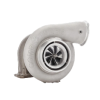
BR Turbo offers several turbocharger categories:
- Remanufactured turbochargers: Original-brand turbochargers professionally remanufactured by BR Turbo, with the required inspection, component replacement, assembly, balancing and quality-control processes.
- New BR TURBO turbochargers: New turbochargers offered under the BR TURBO brand for compatible engine and vehicle applications.
- New original turbochargers: New original products from established turbocharger manufacturers for their corresponding applications.
Our product range includes solutions for engines using turbochargers from manufacturers such as Garrett, BorgWarner, Mitsubishi, Holset and IHI.
Before selecting a replacement turbocharger, we recommend verifying:
- The original equipment (OE) part number.
- The turbocharger manufacturer's reference number.
- The vehicle make, model and engine version.
- The engine code.
- The vehicle identification number (VIN), where required to confirm compatibility.
Depending on the product, a turbocharger may be available individually, with a gasket kit or with a full mounting kit.
Before ordering, customers should also check product availability, the selected configuration and any applicable conditions for returning the old turbocharger or receiving a refundable core deposit.
Choosing the correct replacement turbocharger and resolving the original cause of failure are essential steps towards reliable engine operation.
Frequently Asked Questions About Cold Turbocharged Engines
Is it bad to accelerate hard when a turbocharged engine is cold?
Repeated hard acceleration immediately after a cold start can place unnecessary load on the engine and turbocharger while the oil and mechanical components are still warming up. The turbocharger may increase its rotational speed rapidly when high boost is requested. For long-term reliability, use gentle acceleration until the engine reaches suitable operating conditions, following the vehicle manufacturer's instructions.
Do you need to warm up a turbocharged engine before driving?
Most modern turbocharged passenger vehicles do not require several minutes of stationary idling before driving. After normal startup and brief stabilisation, gentle driving is generally appropriate. Avoid unnecessary heavy throttle, high RPM and excessive engine loads until the engine is sufficiently warm. Always follow any model-specific warm-up instructions.
How long should you let a cold turbo engine idle?
There is no universal idling duration for every turbocharged engine. Most modern passenger cars can begin moving gently soon after startup once normal operation has stabilised and it is safe to drive. Extended idling solely for warm-up is generally unnecessary. Some commercial vehicles, specialised engines and extreme operating conditions have specific manufacturer requirements.
Can cold engine oil damage a turbocharger?
Cold oil is more viscous, but modern engines are designed to establish lubrication during cold starts when the correct oil is used. The concern is excessive engine load before suitable operating conditions are reached, especially if there is an existing lubrication problem. Incorrect oil, restricted supply lines or contaminated lubricant can contribute to turbocharger damage regardless of driving technique.
What RPM is safe for a cold turbocharged engine?
There is no single RPM limit that applies to every turbocharged engine. The appropriate engine speed depends on the manufacturer's instructions, engine design, selected gear and operating load. During warm-up, use moderate RPM, gentle throttle and appropriate gears. Avoid unnecessary high revs, but also avoid heavy acceleration at very low RPM in a high gear.
Does normal coolant temperature mean the turbo engine is fully warmed up?
Not necessarily. Coolant and engine oil warm at different rates, and a normal coolant gauge reading does not guarantee that the oil has reached its usual operating temperature. If an oil temperature indicator is available, it provides additional information. Follow the manufacturer's warm-up guidance before demanding maximum engine performance.
Should you avoid all turbo boost when the engine is cold?
Not all boost can or needs to be avoided during normal driving. Depending on the engine and operating conditions, some boost may occur naturally. The important recommendation is to avoid unnecessarily high boost demand, heavy throttle and excessive engine load until the engine is sufficiently warm.
How should you warm up a turbocharged engine in winter?
Use the correct manufacturer-approved motor oil, start the engine normally, allow initial operation to stabilise and begin driving gently once visibility and driving conditions are safe. Avoid hard acceleration and heavy loads during warm-up. Very low temperatures can extend the warm-up period, and certain vehicles may have additional manufacturer-specific cold-weather instructions.
Should a turbocharged engine idle before being switched off?
Not necessarily after every journey. Following normal everyday driving, many modern vehicles do not require a fixed idling period before shutdown. However, after sustained high-load operation, some manufacturers recommend reducing load before stopping or following a specific cooldown procedure. Always follow the vehicle manufacturer's instructions.
Can accelerating a cold engine cause turbocharger failure?
Repeated aggressive acceleration during cold operation can contribute to unnecessary stress, but a single acceleration event does not automatically mean that a healthy turbocharger will fail. Turbocharger damage may also result from insufficient lubrication, contaminated oil, mechanical wear, foreign-object damage or other engine faults. If unusual noises, oil-pressure warnings or performance problems occur, the vehicle should be professionally diagnosed.
Conclusion: How to Protect Your Turbocharger During Cold Starts
Avoiding hard acceleration immediately after a cold start is a practical way to reduce unnecessary stress on a turbocharged engine. Cold motor oil has different flow characteristics, engine components are still warming, and high throttle demand can rapidly increase the load placed on the turbocharger and its bearing system.
However, protecting a modern turbocharged engine does not generally require leaving the vehicle stationary for several minutes before every journey.
For most modern passenger cars, the better strategy is to start the engine normally, allow a brief period for stable operation and then drive gently while it warms up.
During the initial part of the journey, avoid unnecessary full-throttle acceleration, excessive engine speeds and heavy loads at very low RPM. Remember that coolant temperature and engine oil temperature are not identical, and use the manufacturer's specific guidance wherever available.
Good maintenance is equally important. Correct engine oil, timely filter replacement, an unobstructed oil supply and a properly functioning cooling system help protect the turbocharger throughout its service life.
Gentle warm-up driving, correct maintenance and attention to warning signs can help support the long-term reliability of your turbocharger and engine.
If the turbocharger has already developed a serious mechanical problem, cleaning or changing driving habits cannot necessarily restore it. In such cases, professional diagnosis and selection of a compatible new or remanufactured turbocharger may be the appropriate solution.