


 Secure Shipping

 Worldwide express delivery
 Secure Payment
The turbocharger whistles
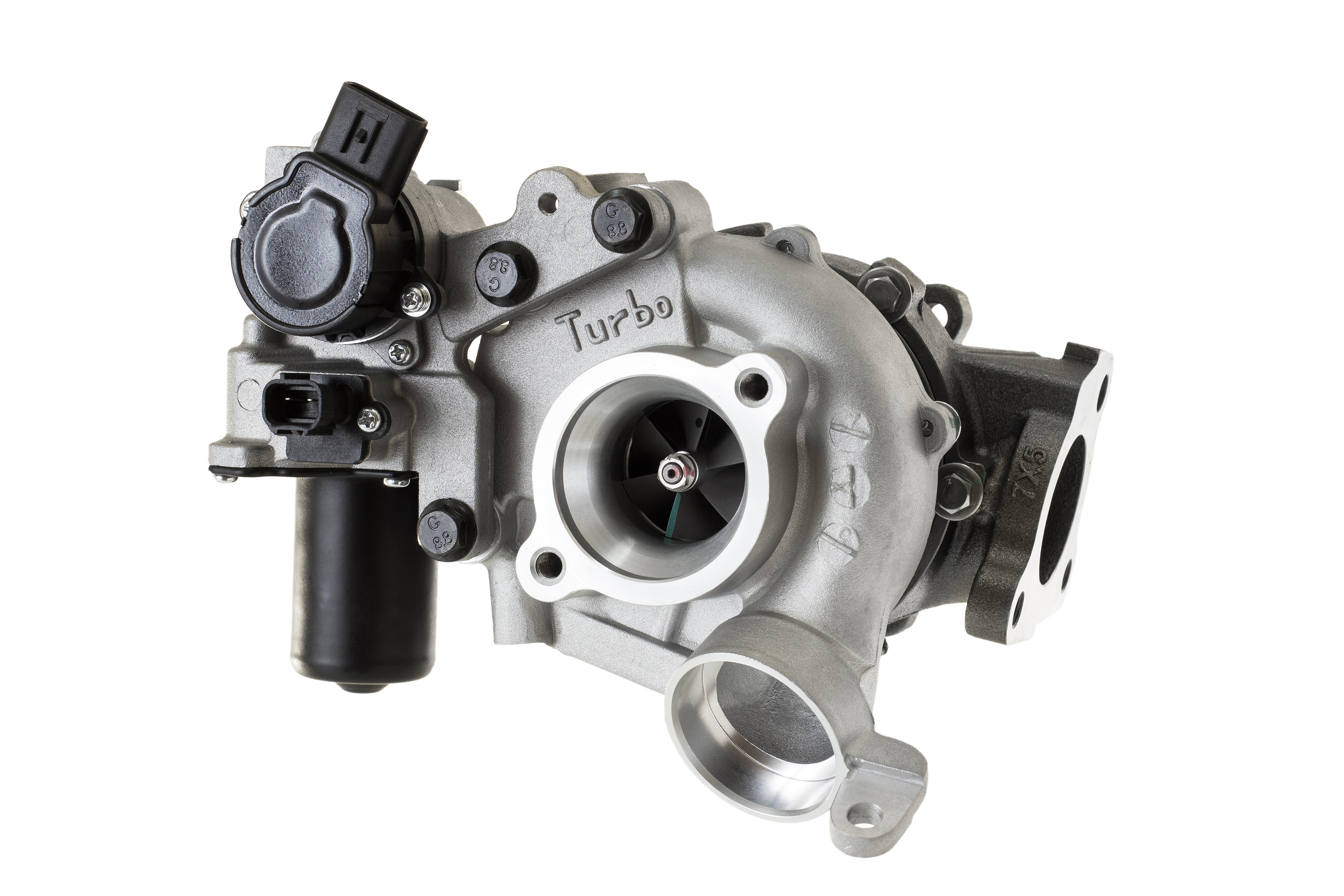
TL;DR: A slight turbo whistle is often normal and caused by airflow under boost. However, a loud, sharp, or increasing whistle may indicate air leaks, damaged components, or internal turbocharger wear and should be diagnosed early.
The operation of a turbocharger is based on compressing air and forcing it into the engine cylinders through narrow air channels. This process naturally generates sound due to high-speed airflow and pressure changes.
A light hum or soft whistle from under the hood is common in turbocharged vehicles and is often part of normal operation. However, changes in sound, especially louder or sharper whistling, can signal issues that should not be ignored.
The nature of the turbo whistle
A healthy turbocharger typically produces a smooth, low-pitched sound caused by air moving through the intake and boost system. This sound is usually subtle and becomes noticeable only during acceleration.
If a whistle appears at low speeds or idle (low RPM), it is often not directly related to the turbocharger. In many cases, it points to minor intake leaks or loose connections rather than a turbo fault.
Turbo-related whistle is typically sharper and higher in pitch. It becomes more pronounced under load when boost pressure increases. This characteristic helps distinguish normal turbo sound from abnormal noise.
Common causes of turbo whistling
A turbocharger may produce a whistling sound for several typical reasons:
- loss of system tightness (boost leaks)
- foreign objects or debris in the intake system
- cracks in air pipes, hoses, or ducts
- damaged or leaking intercooler
- turbocharger wear or internal damage
In practice, the most common cause is loss of system tightness. Air leaks occur when pressurized air escapes through cracks, worn seals, loose clamps, or poorly fitted connections. This escaping air produces a distinct whistling sound and often leads to reduced engine performance and slower boost response.
Foreign objects or contamination in the intake system can also create abnormal noise. Even small debris can disturb airflow and generate high-pitched sounds.
A damaged intercooler or compromised air pathways can create turbulence in the airflow. This turbulence often results in a whistle, especially under acceleration.
If the whistle is combined with symptoms such as exhaust smoke (black, blue, or white), noticeable loss of power, or increased oil consumption, the issue may be internal. Common internal causes include shaft play, worn bearings, or damage to the compressor wheel. In such cases, immediate professional diagnostics is recommended.
How to fix turbo whistle
Not every whistle indicates a serious turbocharger failure. However, a loud, sharp, or worsening whistle should always be treated as a warning sign.
Professional диагностика allows accurate identification of the root cause. Specialists can:
- perform boost leak testing
- inspect intake and intercooler systems
- remove debris or contamination
- repair or replace damaged components
- evaluate turbocharger condition
Early detection is critical. Addressing the issue at an early stage can prevent expensive repairs and complete turbocharger failure.
FAQ: Turbo whistle
Is turbo whistling always a problem?
No. A light whistle under acceleration is normal. It becomes a concern only if the sound is loud, unusual, or changes over time.
Can I drive with a whistling turbo?
If the sound is mild and unchanged, it is usually safe. However, if it becomes louder or is accompanied by power loss or smoke, diagnostics should be done as soon as possible.
Does a whistle mean the turbo is broken?
Not always. In many cases, the issue is related to air leaks rather than the turbocharger itself.