


 Secure Shipping

 Worldwide express delivery
 Secure Payment
The turbocharger tube is leaking
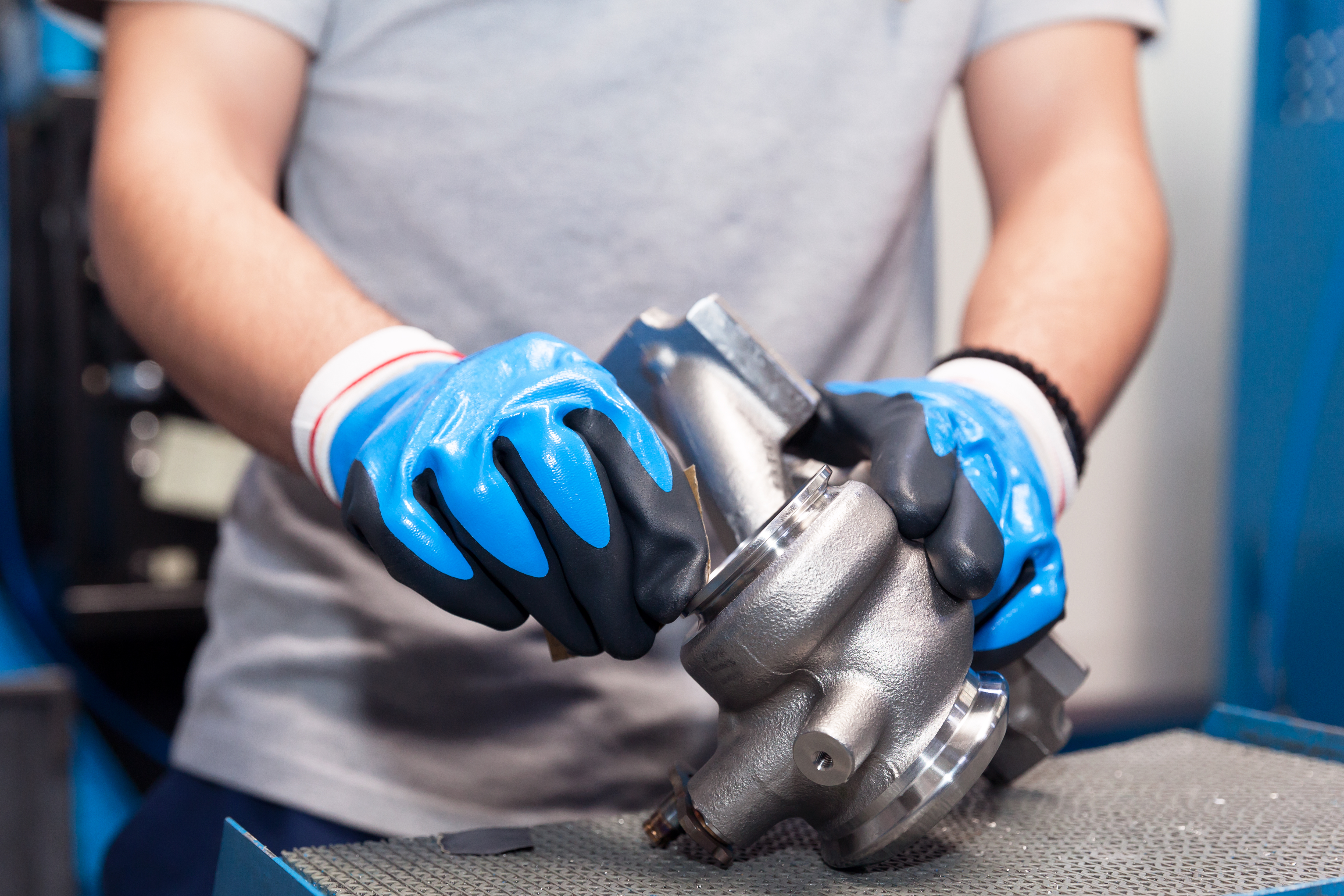
TL;DR: Oil leaks in a turbocharger are often caused not by the turbo itself, but by problems in the oil supply system such as blocked lines, poor oil quality, worn seals or pressure imbalance. Early diagnosis helps prevent severe damage and expensive repairs.
The turbocharger operates under heavy load and at extremely high temperatures. To ensure stable rotation of the impellers and the common shaft, oil is supplied through a dedicated feed line. This oil creates a protective film that reduces friction, limits heat buildup and protects internal components from premature wear.
After lubrication, the oil flows back through a drain line. Proper oil circulation is only possible when the entire system functions correctly. Even small faults in related components can disrupt flow, increase pressure and lead to oil leaks or turbocharger failure.
Symptoms and possible causes of oil leaks
One of the first warning signs is increased oil consumption. If oil usage rises above normal levels, the turbo system should be inspected as soon as possible. Ignoring the problem can lead to more serious damage not only to the turbocharger, but also to related engine components.
Common causes of turbo oil leaks include:
- clogged air filter
- blocked or restricted oil lines
- low-quality or degraded engine oil
- turbocharger wear or internal damage
- leaks in oil feed or return lines
- worn seals or loose connections
If the source of the leak is not clearly visible, professional diagnostics are recommended. A workshop can check oil pressure, inspect the feed and return lines, and identify the root cause more accurately.
What causes oil leaks in a turbo system
| Cause | What happens | Possible result |
|---|---|---|
| Blocked oil line | Oil flow becomes restricted | Oil starvation and turbo damage |
| Poor oil quality | Deposits build up inside the system | Clogging, overheating and reduced lubrication |
| Worn seals | System tightness is lost | External oil leaks |
| Pressure imbalance | Oil is pushed into intake or exhaust paths | Smoke, contamination and performance issues |
The oil supply tube
The oil supply tube is one of the most important components in the turbo lubrication system. It must remain clean, unobstructed and correctly shaped to ensure a steady oil supply.
If carbon deposits build up inside the tube or if the tube becomes deformed, oil cannot flow freely to the turbocharger. This can lead to oil starvation, which is one of the most common reasons for turbocharger failure.
Leaks may also appear due to loose connections. Over time, rubber O-rings and sealing elements at the ends of the tube can deteriorate because of constant heat and pressure cycles. Damaged seals should be replaced to restore proper tightness.
Diagnosis and what to do
For reliable turbocharger operation, the system must maintain proper oil pressure, clean oil lines and fully sealed connections. Engine oil should always meet the vehicle manufacturer’s specifications.
If an oil leak is detected, the following checks are recommended:
- inspect the oil feed and return lines
- check all connections for leaks
- assess contamination inside the lines
- verify oil quality and maintenance history
- inspect seals, O-rings and mounting points
Depending on the issue, the solution may include cleaning the system, replacing seals, restoring tight connections or replacing the oil line. In more severe cases, the turbocharger itself may require repair or replacement.
A leaking turbo system should never be ignored. What starts as a minor leak can quickly develop into bearing damage, shaft wear, oil contamination of the intake or exhaust system, and complete turbo failure.
FAQ
Can a turbo leak oil without being broken?
Yes. In many cases, oil leaks are caused by blocked lines, pressure imbalance or worn seals rather than internal turbocharger failure.
Is oil leakage always a sign of turbo failure?
No. Oil leakage may indicate a lubrication or sealing problem in the surrounding system. Proper diagnosis is necessary before replacing the turbocharger.
Can I continue driving with an oil leak?
Driving with an oil leak is risky. It can lead to turbo failure, engine damage, smoke from the exhaust and contamination of the intake or exhaust system.