


 Secure Shipping

 Worldwide express delivery
 Secure Payment
What to Do Upon Discovering Early Signs of Turbocharger Issues
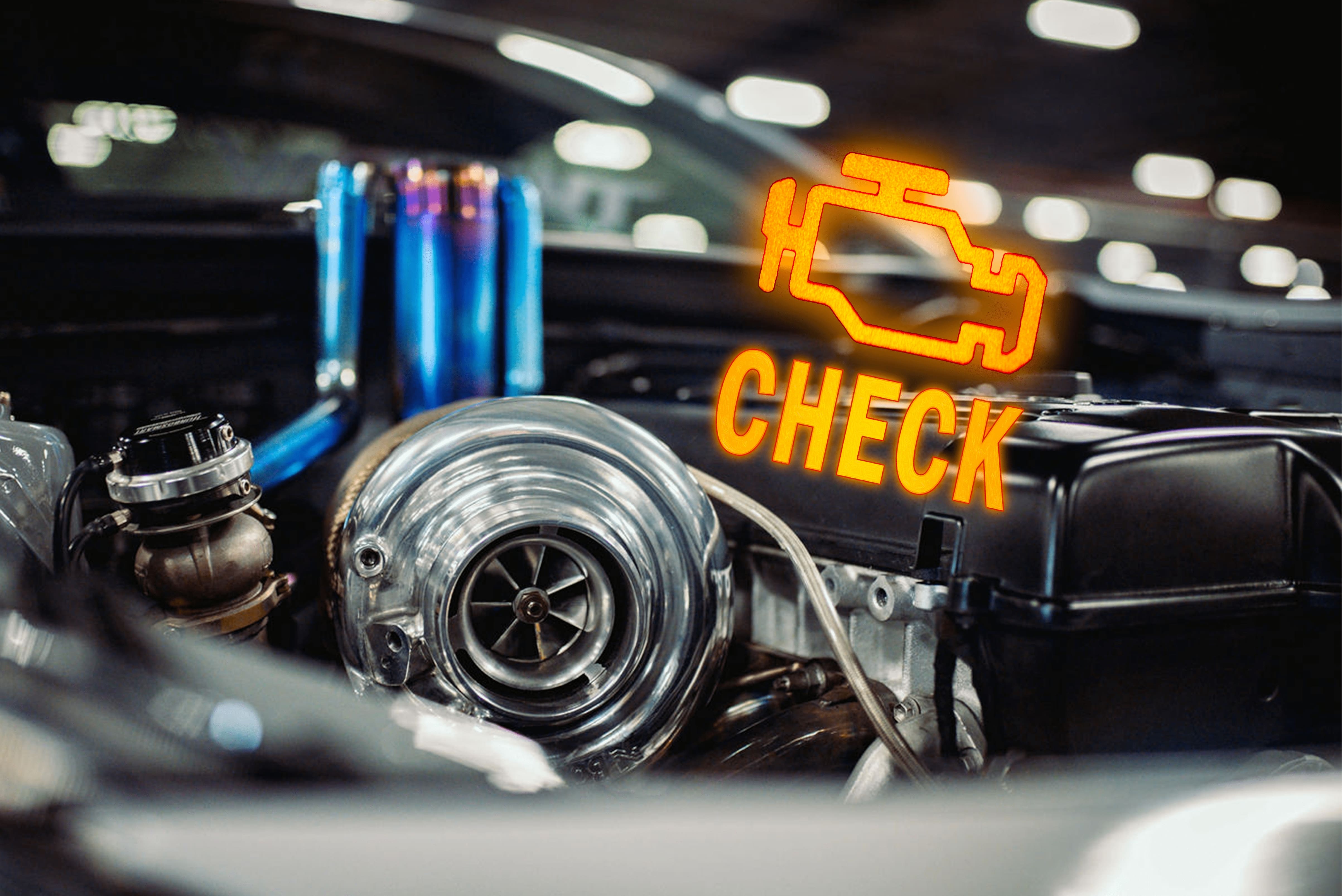
What to Do Upon Discovering Early Signs of Turbocharger Issues
1. Listen to Your Vehicle
Excessive noise or whistling when the engine is running can indicate turbocharger issues. Don't ignore these sounds and pay attention to other signs.
2. Check Performance
If you feel the vehicle's power has dropped, or if you notice increased fuel consumption, it could hint at a turbocharger issue.
- Acceleration Test: Measure the time it takes for your vehicle to accelerate from 0 to 60 mph (0-100 km/h). If this time has noticeably increased compared to factory specifications or your previous measurements, it might indicate problems.
- Turbo Pressure Test: Using a specialized pressure gauge, check the pressure in the turbocharger. If the pressure deviates from standard values, it could be a sign of malfunction.
- Electronic Diagnostics: Modern vehicles are equipped with on-board diagnostics systems (OBD). By connecting to this system with a specific tool, you can gather information about potential turbocharger errors or malfunctions.
3. Inspect the Oil
Look under the hood and check the oil level. If the oil is black or contains metallic particles, it could suggest issues.
4. Consult a Specialist
If you suspect your turbocharger is malfunctioning, it's best to consult with a professional. A specialist can carry out a thorough diagnosis to determine if there are genuine issues.
5. Avoid Driving the Vehicle
If you're certain there are issues with the turbocharger, avoid driving any further. This could have severe implications for your engine.
6. Maintain Regularly
The best way to prevent turbocharger problems is to have your vehicle serviced regularly. This way, you can circumvent most potential issues.
Conclusion
While there's no need to panic at the first sign of a problem, it's vital to take decisive action. Proper maintenance and attention to detail can stave off severe issues and prolong the lifespan of your turbocharger.