





 Secure Shipping

 Worldwide express delivery
 Secure Payment
10 Key Differences: Superchargers vs. Turbochargers
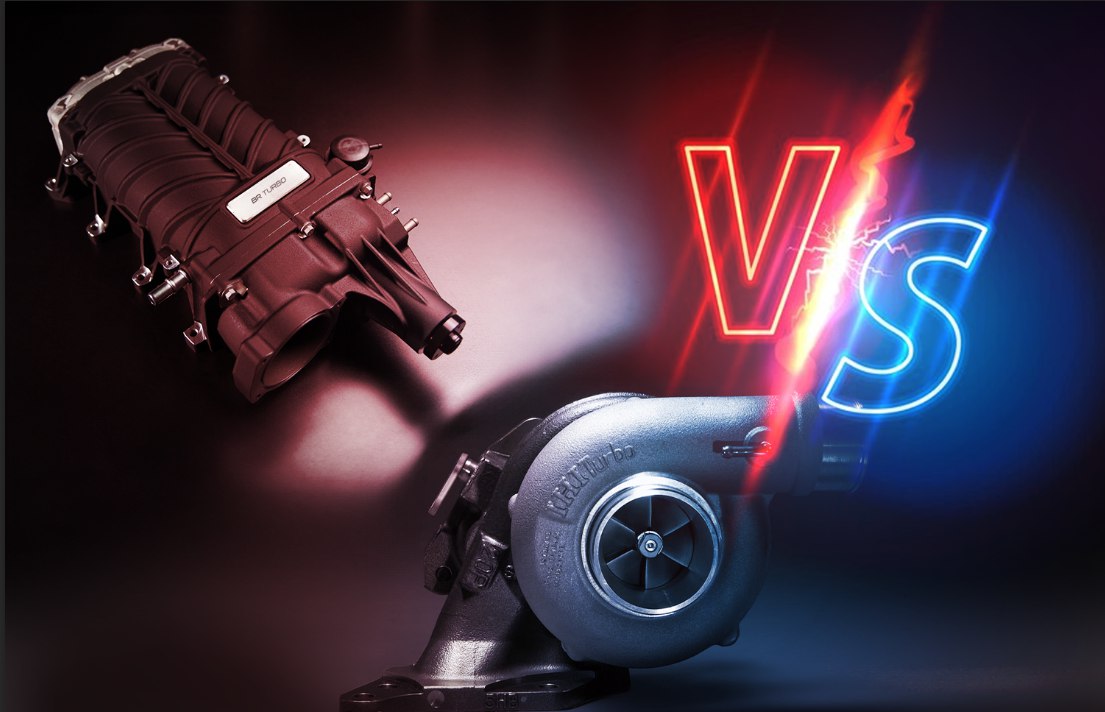
Introduction: Understanding the World of Automotive Boosting
In the fascinating realm of automotive performance, two giants stand out when it comes to boosting engine power: superchargers and turbochargers. These power-packed devices have stirred debates among car enthusiasts for years. But really, what's the beef between the two? Let's zoom in and find out!
What is the difference between a supercharger and a turbocharger?
The heart of our discussion, this question has sparked countless debates. While both are designed to increase an engine's horsepower by forcing more air into the combustion chamber, their operation and design are distinct.
Basics of a Supercharger
Superchargers are mechanically driven by the engine's belt. They can provide an immediate power boost since they operate in direct relation to engine speed. Think of them like a gym buddy, always there, pushing you to lift more weight.
Fundamentals of a Turbocharger
Turbochargers, on the other hand, are powered by exhaust gases. They can take a moment to kick in (known colloquially as 'turbo lag'), but when they do, it's like a shot of adrenaline, giving that extra push!
The Science Behind Boost: How Do They Work?
Delving a bit deeper, it's essential to understand the mechanisms behind these devices.
Working Principle of Superchargers
As mentioned, superchargers are belt-driven. They force air directly into the engine. Because of this direct connection, they can provide a consistent and immediate boost, making them a favorite for many drag racers.
Operational Mechanics of Turbochargers
Turbochargers utilize the engine's exhaust gases. These gases spin a turbo, which then drives a compressor. This compressor pushes more air into the combustion chamber, enhancing the engine's efficiency and power.
Evolution of Superchargers and Turbochargers
Both these boosters have evolved over the years. While initially bulky and inefficient, modern designs are compact, efficient, and packed with tech goodies that make them a car enthusiast's dream.

Advantages of Superchargers
- Instantaneous power boost
- Simpler design
- More predictable power delivery
Disadvantages of Superchargers
- Generally less efficient than turbochargers
- Can put more strain on the engine
- May decrease engine lifespan if not properly maintained

Benefits of Turbochargers
- Efficient use of wasted exhaust gases
- Potential for greater power increase
- Typically better fuel economy
Downsides of Turbochargers
- Potential for turbo lag
- Complex installation and maintenance
- Can run very hot, requiring better cooling systems
Conclusion
Understanding the intricacies between superchargers and turbochargers is crucial for automotive enthusiasts. Both have their merits and demerits, and the choice between the two often boils down to specific performance and efficiency needs.
Which One is Better for Fuel Economy?
Generally speaking, turbochargers tend to be more fuel-efficient. This is because they harness waste energy (exhaust gases) to boost power.
Which One Offers More Power?
It's a toss-up. While superchargers provide immediate power, turbochargers can deliver a more substantial boost, especially at higher RPMs.
Reliability and Maintenance: A Comparative Analysis
Both systems, if maintained properly, can last a long time. However, because superchargers are mechanically driven, they might wear out faster. Turbochargers, with fewer moving parts, might have the edge in longevity.
Popular Cars with Superchargers
From the classic Shelby Mustangs to modern Jaguars, superchargers have found their place in many iconic rides.
Famous Cars with Turbochargers
From the legendary Subaru WRX to the Bugatti Veyron, turbochargers have made their mark in automotive history.
How to Choose Between Supercharger and Turbocharger for Your Car?
It boils down to personal preference, driving style, and desired performance. Both have their merits, and neither is objectively better.
The Environmental Impact: Emissions and Efficiency
While both systems aim to boost performance, turbochargers tend to be more environmentally friendly due to their efficiency and utilization of waste energy.
Future of Boosting: What's on the Horizon?
With electric cars taking center stage, traditional boosting might take a backseat. However, the principles of supercharging and turbocharging are being adapted for the electric era.
Expert Tips on Enhancing Performance
For the DIYers out there, always consult with professionals. Both systems require intricate knowledge and expertise for optimal performance.
FAQs
Why are turbochargers more common in modern cars?
Turbochargers tend to offer better fuel efficiency and can harness waste energy, making them more appealing to manufacturers in an eco-conscious world.
How often should I maintain my supercharger or turbocharger?
Regular maintenance is key. Check the manufacturer's guidelines and ensure timely servicing.
Can I install both a supercharger and a turbocharger?
While technically possible, it's called "twin-charging" and is a complex process best left to professionals.
Which is louder: a supercharger or a turbocharger?
Superchargers usually produce a distinctive whine, while turbochargers might have a quieter, whooshing sound.
What's the deal with 'turbo lag'?
Turbo lag refers to the delay between the driver accelerating and the turbocharger delivering increased power.
Can these boosters damage my engine?
If not properly installed or maintained, both can cause engine damage. Proper care is crucial.
Conclusion: Choosing the Right Boost for Your Ride
In the battle between superchargers and turbochargers, there's no definitive winner. It's all about what suits your needs, preferences, and driving style. Armed with the knowledge from this article, you're now better equipped to make an informed decision.